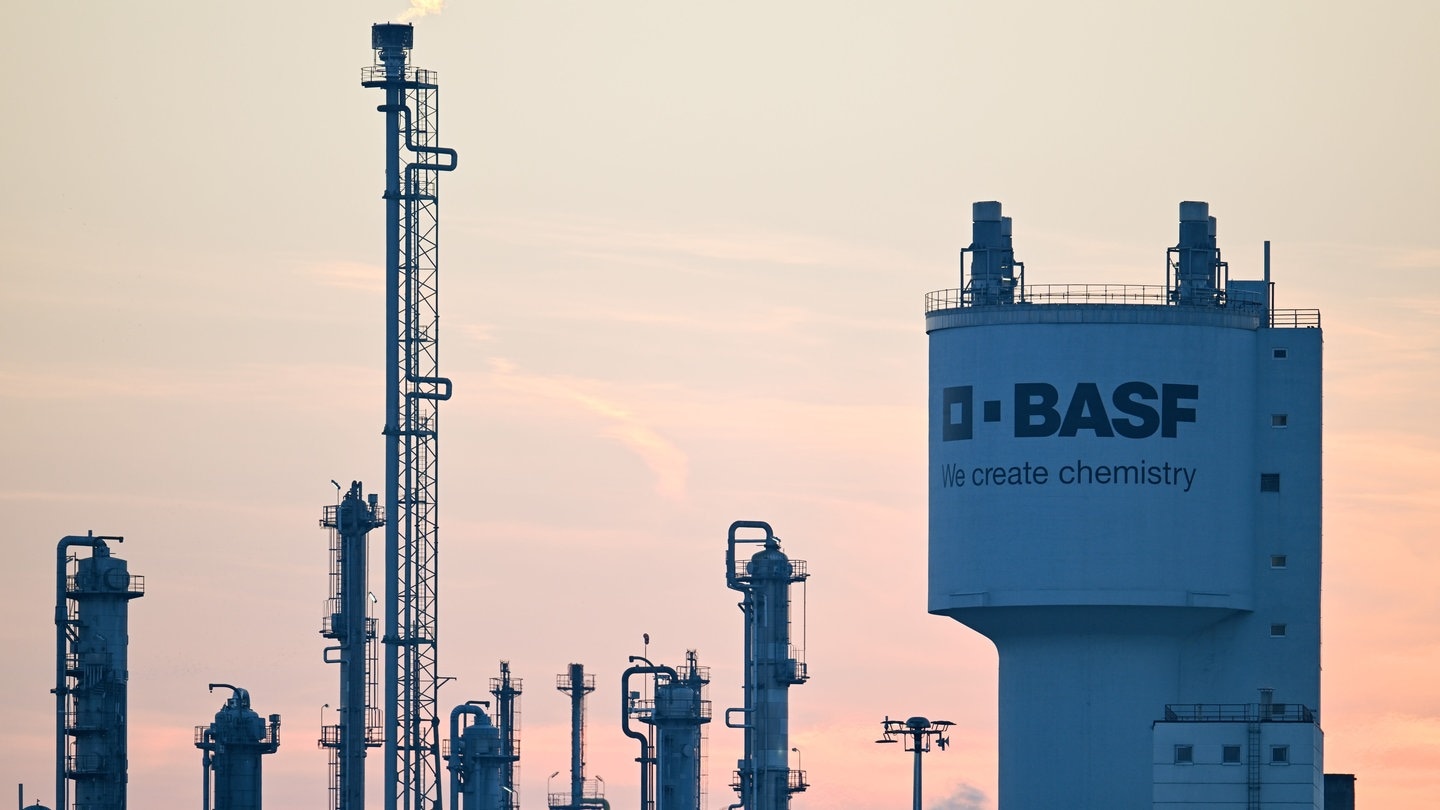
Pipeline Work Accident at BASF Ludwigshafen Injures External Staff
In a significant industrial safety incident at the sprawling BASF chemical complex in Ludwigshafen, Germany, four individuals sustained injuries during pipeline installation work. The accident, which involved external contractors, has brought renewed focus on workplace safety protocols and the crucial role of incident investigation within large-scale industrial environments. While details surrounding the event remain under wraps as an investigation proceeds, the incident underscores the inherent risks associated with complex industrial operations and the paramount importance of stringent safety measures for all personnel, including external staff.
For those searching for information on such events, the term "unfall basf werk" (German for "BASF plant accident") frequently appears in local news and safety reports. This recent event, though unfortunate, serves as a stark reminder of the continuous effort required to maintain high safety standards in facilities of this magnitude.
Details of the Incident at BASF Ludwigshafen
The incident occurred during installation work on a fire extinguishing pipeline within the northern section of the BASF site in Ludwigshafen. According to initial reports from the company, four individuals were injured. Among them, two suffered serious injuries requiring inpatient hospital treatment, while the other two sustained minor injuries and received outpatient medical care at a hospital. All affected individuals were identified as employees of external contracting firms, highlighting a specific area of concern in industrial safety management.
The immediate aftermath saw BASF's own emergency medical teams providing first aid at the scene, demonstrating the critical importance of a well-equipped and responsive internal emergency service in such large facilities. The injured were then transferred to local hospitals for further treatment. At present, the exact cause of the accident remains unclear, prompting a comprehensive investigation by BASF and relevant authorities to ascertain the contributing factors and prevent future occurrences. Such incidents often trigger a thorough review of procedures, equipment, and training.
The Critical Role of Contractor Safety in Industrial Environments
The fact that the injured were external staff members brings to the forefront the complex dynamics of contractor safety within major industrial plants like BASF Ludwigshafen. Large chemical sites frequently rely on external companies for specialized tasks, maintenance, and construction projects. While this brings expertise and flexibility, it also introduces additional layers of safety management challenges.
- Integration of Safety Cultures: External contractors must fully integrate into the host company's safety culture and protocols, which can sometimes differ from their own.
- Clear Communication and Training: Ensuring all contractors receive comprehensive site-specific safety training, understand emergency procedures, and are aware of potential hazards is paramount. This includes detailed briefings on the specific risks associated with their assigned tasks, such as working with high-pressure pipelines or hazardous materials.
- Supervision and Oversight: Adequate supervision from both the contracting firm and the host company is essential to ensure compliance with safety regulations and best practices.
- Equipment and Tool Checks: All equipment used by contractors, whether their own or provided by the plant, must meet rigorous safety standards and undergo regular checks.
An incident involving external staff can underscore potential gaps in these areas, making the subsequent investigation critical for improving future practices. Ensuring the well-being of every individual on site, regardless of their employer, is a shared responsibility that demands continuous vigilance and collaboration. Further insights into such events can be found in discussions surrounding Four Seriously Injured in BASF Ludwigshafen Work Accident, which often elaborate on the gravity of these incidents.
Immediate Response and Comprehensive Investigation
The swift action of BASF's emergency services in providing initial medical care to the injured highlights the effectiveness of the company's emergency preparedness plans. In environments handling potentially hazardous materials and complex machinery, a rapid and coordinated emergency response can be the difference between minor and more severe outcomes. This includes immediate medical attention, safe evacuation procedures, and securing the accident site to prevent further harm.
Beyond immediate care, a thorough investigation is critical. When incidents like this occur, especially when the cause is initially unknown, the investigation process must be meticulous. This involves:
- Site Analysis: Detailed examination of the accident scene, including equipment, tools, and environmental factors.
- Witness Interviews: Gathering accounts from all personnel present, including the injured (if possible), supervisors, and other workers.
- Documentation Review: Scrutiny of work permits, safety briefings, risk assessments, training records, and maintenance logs related to the task.
- Expert Analysis: Involving engineers, safety experts, and potentially external consultants to analyze technical failures or procedural lapses.
The objective is not merely to assign blame but to identify the root causes – the underlying failures in systems, processes, or behaviors that led to the incident. Understanding these root causes is the only way to implement effective corrective actions and prevent recurrence. The ongoing inquiry into the BASF Ludwigshafen Incident: Cause of Four Injuries Unknown emphasizes this crucial aspect.
Preventing Future Incidents: Enhancing Industrial Safety Protocols
Workplace accidents, particularly in high-risk industrial settings, serve as powerful reminders that safety is not a static state but an ongoing process of improvement and adaptation. For companies like BASF, which operate on a massive scale with intricate processes, proactive safety management is paramount. To mitigate the risk of future incidents, several key strategies can be emphasized:
- Robust Risk Assessments: Regularly updated and comprehensive risk assessments for all tasks, especially non-routine work like pipeline installation, are fundamental. These assessments should identify potential hazards, evaluate risks, and define control measures.
- Enhanced Training Programs: Continuous and specialized training for both permanent staff and contractors on safety procedures, equipment operation, emergency response, and hazard recognition. Simulation training can be particularly effective for high-risk tasks.
- "Permit to Work" Systems: Strict adherence to and continuous improvement of "Permit to Work" systems, ensuring all hazardous tasks are properly authorized, planned, and executed with appropriate precautions.
- Advanced Technology Adoption: Utilizing technology such as remote monitoring, predictive analytics for equipment failure, and digital safety checklists can help prevent human error and anticipate potential issues.
- Promoting a Strong Safety Culture: Fostering an environment where safety is everyone's responsibility, and employees feel empowered to report near-misses, suggest improvements, and stop work if they perceive an unsafe condition. Leadership commitment to safety is crucial in embedding this culture.
- Regular Audits and Inspections: Scheduled and unscheduled audits of safety procedures, equipment, and contractor performance to ensure compliance and identify areas for improvement.
By investing in these areas, industrial giants can significantly reduce the likelihood of accidents and ensure a safer working environment for everyone on site, thereby upholding their commitment to occupational health and safety.
Conclusion
The pipeline work accident at the BASF Ludwigshafen plant, resulting in injuries to four external staff members, is a sober reminder of the persistent challenges in maintaining absolute safety within complex industrial operations. While the investigation into the exact cause is ongoing, the incident highlights the critical importance of rigorous contractor safety management, immediate and effective emergency response, and a commitment to continuous improvement in safety protocols. Lessons learned from such events are invaluable, driving companies to re-evaluate and enhance their safety systems, ultimately striving for a workplace where every individual can perform their duties without fear of harm. The focus remains on uncovering the 'why' behind the incident to implement robust preventative measures, ensuring that the safety and well-being of all personnel remain the highest priority.